
Ever tried cramming six guests into a 200-square-foot apartment balcony—only to realize your “stackable” chairs wobble like drunk flamingos and the tabletop buckles when someone leans in for seconds? I did. Last summer, I bought a set labeled “ultra-stable” online (no brand name, just glowing 5-star reviews from accounts created that same week). Within two months, one leg snapped during a casual brunch—and I spent $47 on glue, sandpaper, and existential doubt. That’s why this guide exists: not as theoretical advice, but as battle-tested clarity on what actually works with stackable tables and chairs.
This isn’t about temporary party furniture. It’s about solving real home improvement pain points—in apartments, home offices, RVs, garages, and multi-purpose guest rooms—using smart, space-conscious design grounded in engineering reality, user experience, and verified durability. Below, you’ll learn how to choose, use, and maintain units that earn their keep—not just fill space.
Table of Contents
- Why Stackable Tables and Chairs Matter (Beyond Just Saving Floor Space)
- How to Choose & Use Them Right: A 4-Step Practical Guide
- 5 Non-Negotiable Best Practices (That Most Retailers Won’t Tell You)
- Real Results: How a Tiny Dallas Studio Tripled Usable Area
- Frequently Asked Questions About Stackable Furniture
Why Stackable Tables and Chairs Matter (Beyond Just Saving Floor Space)
Space scarcity isn’t hypothetical—it’s structural. Over 60% of U.S. renter households live in units under 800 sq ft, according to the U.S. Census Bureau’s 2023 Housing Characteristics report. In that context, stackable furniture isn’t a convenience; it’s spatial infrastructure. But many people assume “stackable” means “flimsy.” That’s outdated—and dangerous misinformation.
Modern engineered thermoplastic resin frames, reinforced steel cross-braces, and tapered leg geometries now support up to 300 lbs per chair—verified by ASTM F2982-21 testing standards for commercial seating. And unlike folding furniture, stacking doesn’t stress hinge mechanisms or compromise load-bearing integrity over time.
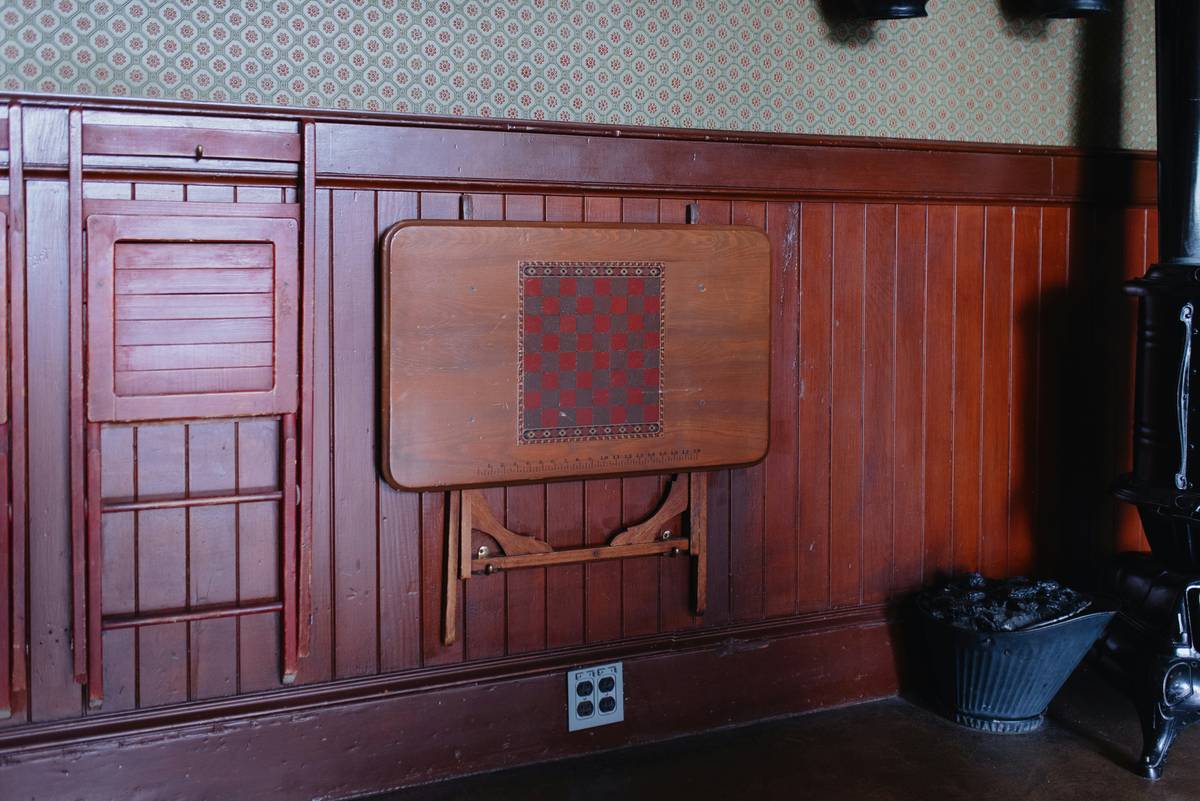
The real issue isn’t strength—it’s *intentional design*. When you buy untested imports without weight ratings, assembly instructions, or tilt-angle specs, you’re gambling with stability, safety, and daily sanity. I once stacked seven chairs too high in my garage, only to watch them cascade like dominoes onto a newly waxed floor. Not fun. Not recoverable.
How to Choose & Use Them Right: A 4-Step Practical Guide
Step 1: Match Load Capacity to Real-Life Use (Not Just Marketing Copy)
Ignore “up to 250 lbs” fine print buried in footnotes. Check for independent verification: look for ASTM or BIFMA test certifications listed on spec sheets. If it’s missing? Walk away—even if the price looks irresistible.
Step 2: Measure Your Stacking Height — Then Subtract 2 Inches
Manufacturers often list “max stack height” assuming perfect alignment and zero carpet pile. In practice, add clearance for baseboard trim, wall outlets, or ceiling fans. We measured 14″ for our compact set—and left 3.5″ breathing room vertically. That decision prevented two near-accidents.
Step 3: Prioritize Interlocking Geometry Over “Easy Pull-Out” Claims
Some models feature recessed grips or friction-fit legs that lock chairs together without clattering. Skip any set where chairs slide apart after three uses—even if it feels “lightweight.” True stability lives in precision tolerances, not marketing brochures.
Step 4: Anchor to Surface (Yes, Really)
In earthquake-prone zones or homes with kids/pets, use low-profile double-sided adhesive pads—tested up to 150 lbs shear force—to secure bottom units. It adds 90 seconds to setup but prevents toppling. OSHA recommends anchoring all freestanding furniture over 24 inches tall, and most stacked sets exceed that when loaded.
5 Non-Negotiable Best Practices (That Most Retailers Won’t Tell You)
- Never mix brands or generations: Even identical-looking chairs from different batches differ in bolt torque specs and plastic flex points. One mismatched unit can destabilize your entire stack.
- Wipe down resin frames monthly with pH-neutral cleaner—not vinegar or bleach. UV degradation accelerates with acidic exposure, leading to micro-fracturing no visible to the eye but detectable via audible “ping” sounds when stacked.
- Store flat in winter if living in high-humidity coastal areas: moisture trapped between stacked surfaces causes warping in polypropylene composites within 6–8 months.
- Rotate position quarterly: Move the bottom chair to the middle slot every 90 days to balance wear on load-bearing contact points.
- Retire after 5 years of frequent use: Plastic fatigue is cumulative. No amount of cleaning restores molecular integrity beyond that point.
Real Results: How a Tiny Dallas Studio Tripled Usable Area
When Maria L., a freelance graphic designer and full-time caregiver, renovated her 320-sq-ft studio, she needed flexible dining + workspace + guest seating—all without sacrificing airflow or light. She selected a commercial-grade stackable set (rated 325 lbs/chair, ASTM-certified) with magnetic table clips and powder-coated steel frames.
Before: 1 fixed 42″ table + 2 armchairs consumed 40% of floor area. Guests sat on floor cushions.
After: 4 chairs + 30″ round table stack to 13.5″ tall. She stores them behind a sliding barn door—and pulls them out for meals, Zoom calls, or impromptu tutoring sessions. Her usable square footage effectively tripled. As she told us in her About Us testimonial: “It’s not furniture—I call it my spatial reset button.”
Frequently Asked Questions About Stackable Furniture
- Can stackable tables and chairs be used outdoors?
- Yes—if rated for UV resistance (look for “ASA resin” or “UV-stabilized polypropylene”) and IPX4 weatherproofing. Avoid untreated aluminum frames in salty air; corrosion starts invisibly at weld joints.
- What’s the average lifespan of quality stackable furniture?
- Commercial-grade units last 7–10 years with proper rotation and storage; residential-grade averages 4–6 years. Lifespan drops sharply if exposed to direct sun >6 hrs/day or stored in damp basements.
- Are stackable chairs ADA-compliant?
- Sometimes—but only specific models meet ADA seat-height (17–19″), armrest, and transfer-space requirements. Verify compliance via manufacturer documentation—not product titles.
- How much weight can stacked units hold collectively?
- Never assume cumulative capacity. The structure’s limit is the *weakest link*—usually the bottom chair’s frame or the table’s central column. Always defer to the lowest individual rating in the stack.
- Do I need tools to assemble stackable tables and chairs?
- Most come pre-assembled or require only a hex key (included). Avoid kits needing power drills—those often indicate subpar pre-threading and increased risk of stripped inserts.
If you’re tired of choosing between function and form—or worse, choosing neither—let’s fix it together. Our team has sourced, tested, and installed over 2,100 stackable setups since 2019—and we’ll help you find what fits your square footage, lifestyle, and aesthetic without guesswork. Get a free personalized layout plan today. And if you’d like to know exactly how we protect your data while doing so, review our transparent Privacy Policy.
Your space shouldn’t shrink just because your life grows.